The posture

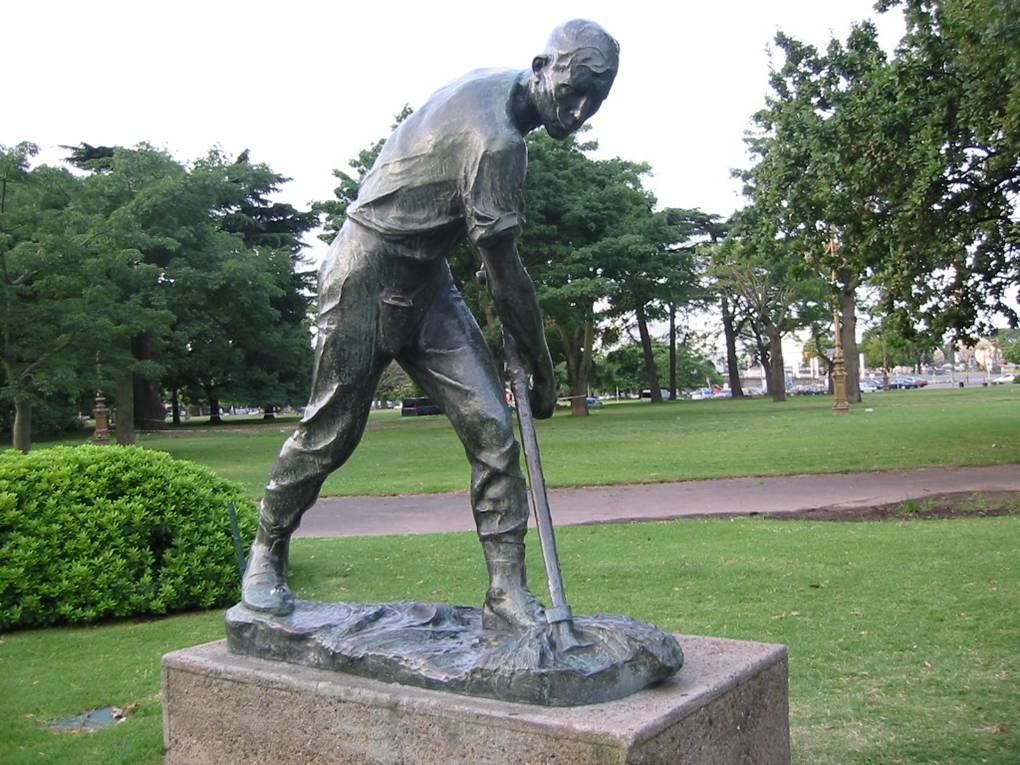
Plaza Justo José de Urquiza - Autonomous City of Buenos Aires, Argentina

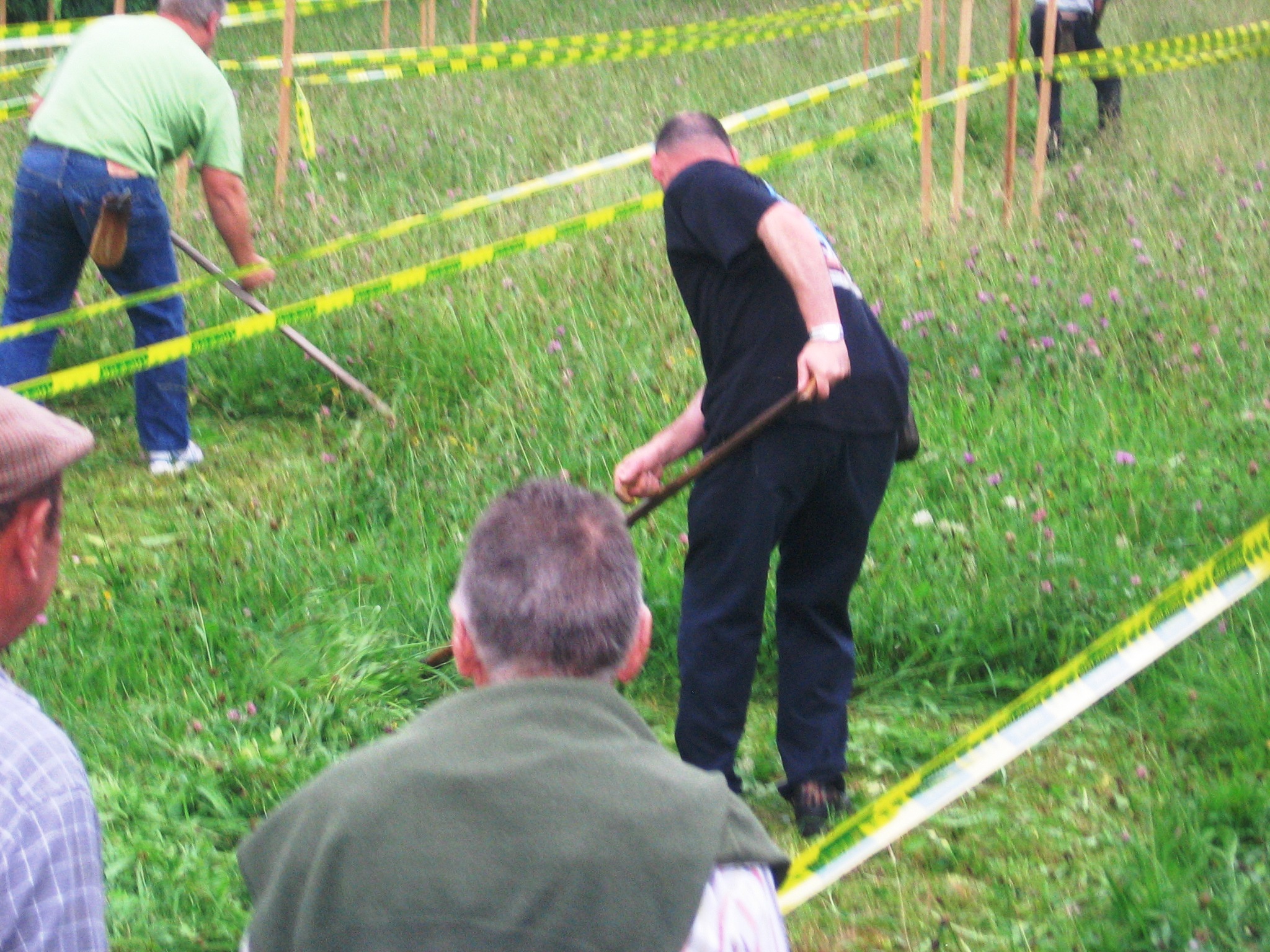
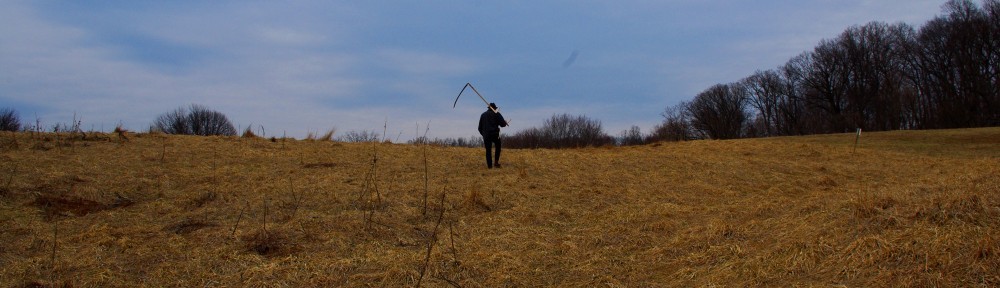
Lately I have been thinking—after seeing so many people using a scythe in person, in videos, or in photographs—about the different ways and contortions that some people adopt. You can see every single degree of inclination and weird twist, even in the same person.

There is no particular posture better than other, as long as it is not to an extreme; indeed, the stance you adopt is not chosen but rather should come naturally and should adapt to your tool and to the site you are mowing. It is also determined by what you are trying to achieve.

You have to adopt a position that best fits the assemblage (of snath and blade). The exception to this rule would be a competition, where there is no time to lose and you go for the biggest and fastest bite, even if you put your body in distress. If you need to mow a large rocky area with a regular-sized snath and scythe, you don’t need to bend as if you are competing with small snath and a huge blade that has a open tang. Curvature of the blade, the extent to which it is open or closed and, in particular, the tang’s angle play a big role on your posture. In the case of the Basques, for example, when they compete, it is admirable how much they bend and how far and well they advance, but it is hard to maintain that position for long periods of time.

On the other hand we see quite often those who are very rigid. You can tell they are constantly aware of their body position, and they move trying to stay in the box or in within the lines. It is the difference between dancers who can dance naturally and have the rhythm inside and the ones who learn the moves and steps. (Those last ones are more preoccupied with the next step and the count than enjoyment of the dance).

I think that it is a mistake to try to imitate other scyther’s positions since what it is probably comfortable for one is not for others. Bodies and –and centers of gravity—vary from individual to individual.

When we watch a bicycle race, even if the cyclists are going at the same speed and at similar rhythms, everyone has a distinctive way of pedaling.

In my opinion the body when mowing has to be relaxed, the arms and legs never extended to their maximum, as flexibility is very important. If your elbows and knees are not fully extended, you will be able to better respond or react to any obstacle—like an unexpected tree stump or hidden rock—on the terrain. A relaxed stance is also less stressful to the body. Forward movement doesn’t have to be rigid, nor doesn’t always have to encompass the circular movement. Sometimes you don’t advance both legs the same way or in the same pattern, and just a little extra inclination from your upper body will produce the same effect, especially on those occasions that you might have to have a smaller bite for the next swath or do a second pass of the previous one.

At the end of the day, this is a self-adjusting process and very personal.

(Photo of a monument honoring the scyther in Buenos Aires, Argentina.)
Beautiful Fields

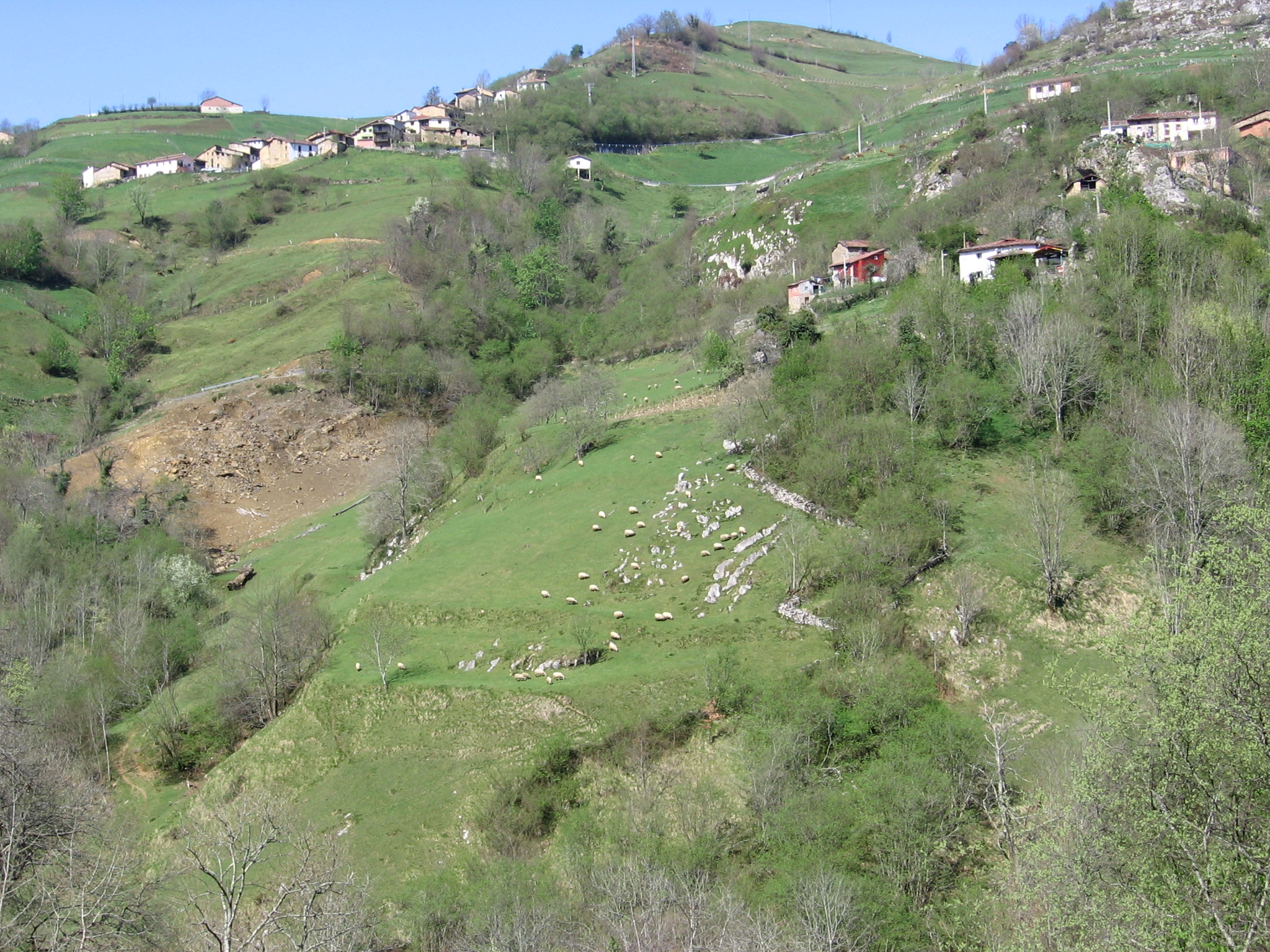
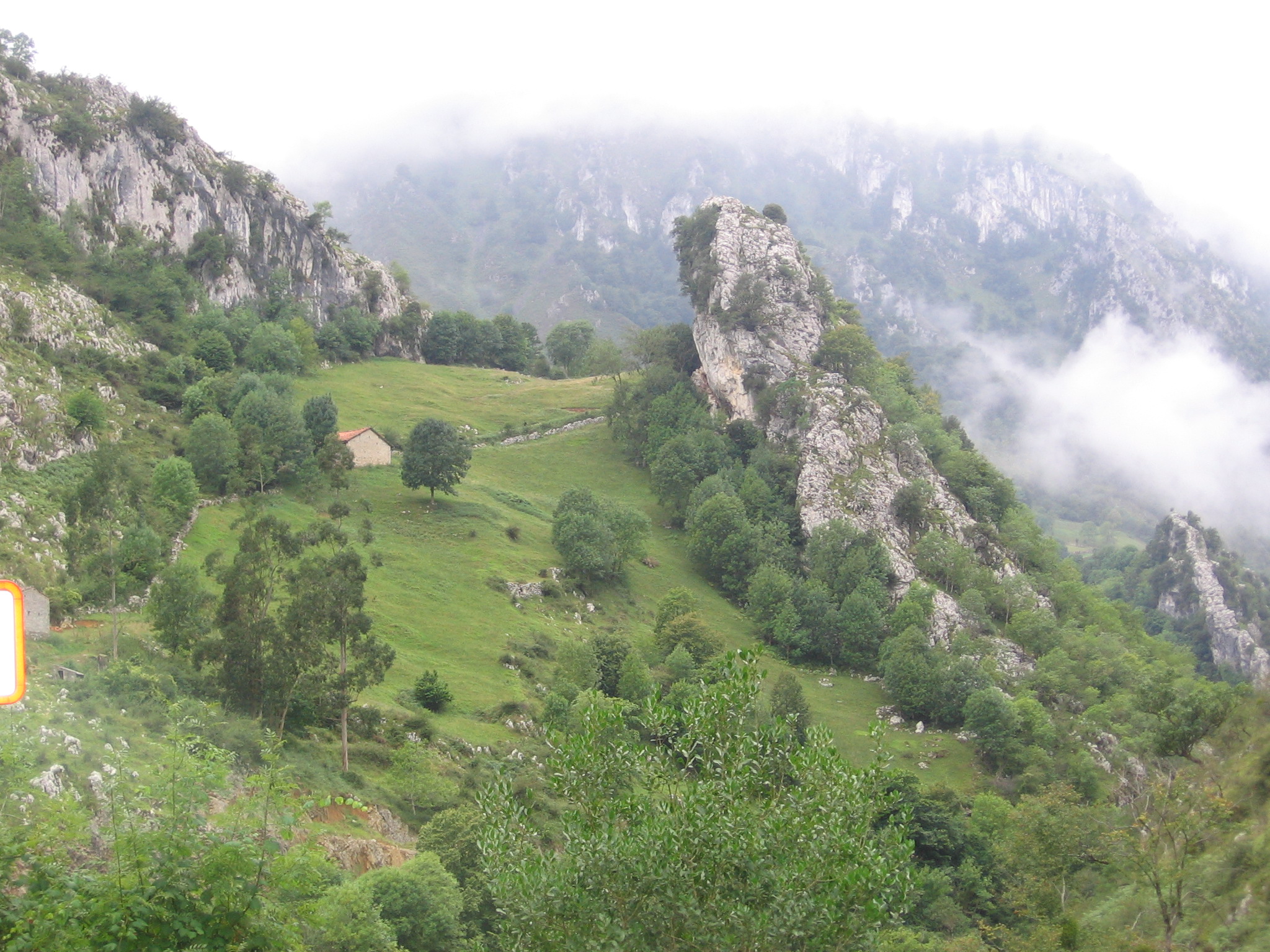
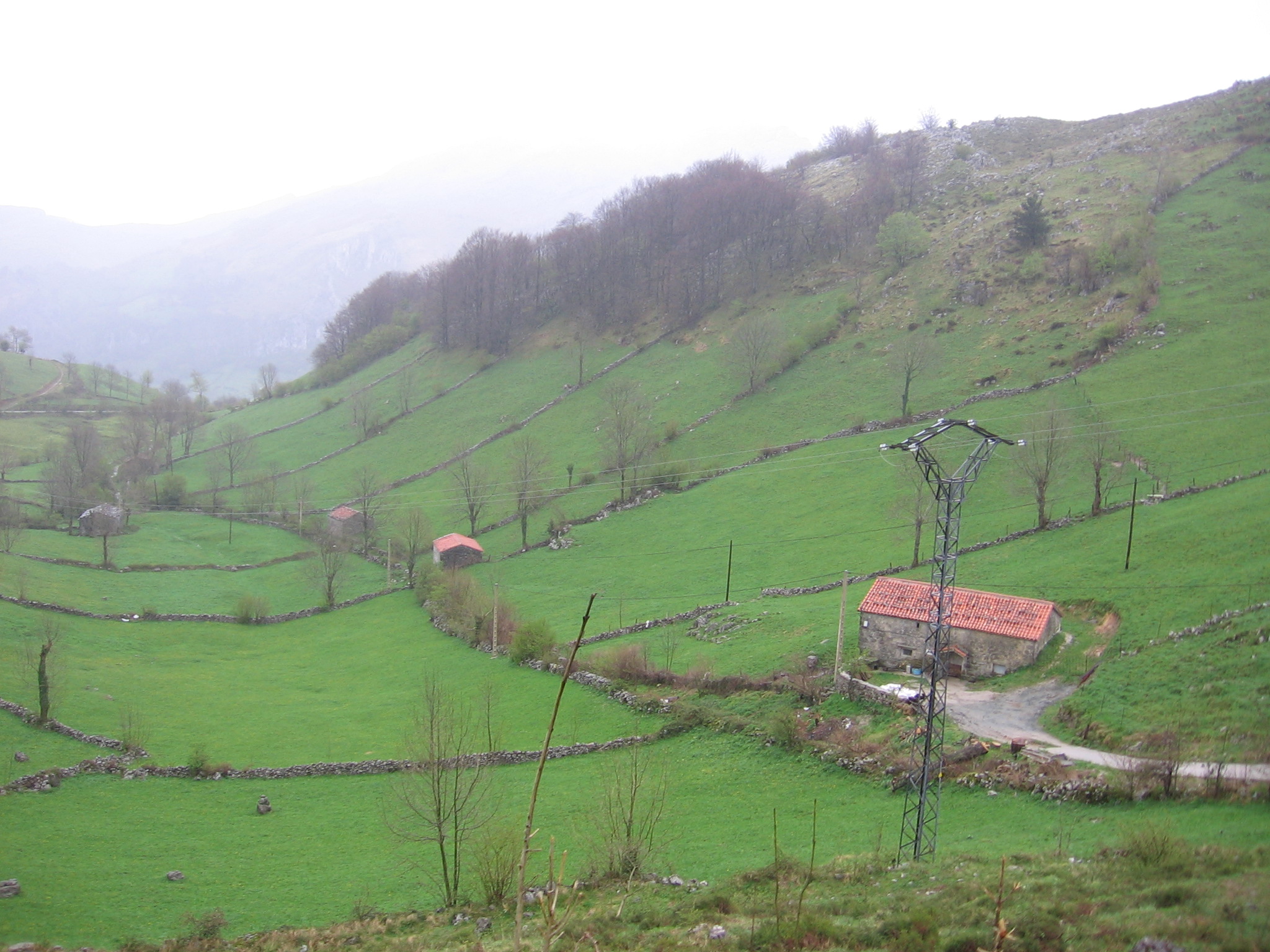
The photo below is from a valley in Cantabria, a province in the north of Spain. The year-round green valleys there are spectacular. These fields (the ones in the photo) are not fully flat nor rocky. The native grass is mixed and tender, and the size and layout of the fields are attractive to the eager scyther.

IMG_0101

A completely flat field looks great and welcoming, but is not the most comfortable to mow with a scythe. A field with a gentle inclination—where the scyther can push the cut grass down the hill rather than level to him or her—actually saves energy and therefore the scyther can cut a larger area.

The particular, nicely (and irregularly) segmented fields in the photo are ideal to practice both styles of scything: Single or double windrow. (In Spanish, meter el rollo and sacar el rollo.)

Single windrow is when you have a clean mowed area at your left and you build up (as you mow) a line of cut grass as you advance mowing, also at your left. The method is the most common.

Double windrow is the accumulation of cut grass while mowing in both directions, up the field and down. In other words: It is mowing a single windrow (but this time, the uncut grass is on your left and you cut and accumulate grass against the uncut area), you have to return, and you reverse as if you were mowing a single windrow, but in the opposite direction. Now you have the uncut grass at your right, with the cut grass from your first pass on the left. It is a little more difficult to see (and feel) if you have fully cut the swath since you cannot see if the blade has gone all the way through.

Unfortunate Encounters as You Mow

Unfortunate Encounters as You Mow

Once we are hands on and the scythe is in real action, at some point it will bump into undesirable objects that can damage, partially or fully, the blade. When that happens the right thing to do is to stop and address the problem since the blade will loose a great deal of its potential and effectiveness.

Although a single large rock or a visible stoned area can be quite intimidating, at some point you will hit a stone based on miscalculation. However if you are cautious, the damage usually is not critical. The worse nightmare for a scyther is coming across a hazard that he or she doesn’t see or expect (like others things in life), such as something hidden close to the ground only noticeable when is too late. The most common object is a loose wire from a broken fence.

broken fence

Depending of the nature and severity of the accident, damages can be cracks, dents, chips or a long area of the bevel bent. Most of the time, this damage will require immediate repair, using a file to smooth those sharp angles and then an anvil and hammer to bring metal material (by hammering carefully to the direction of the dent) from behind to slowly fill the gap or empty space.

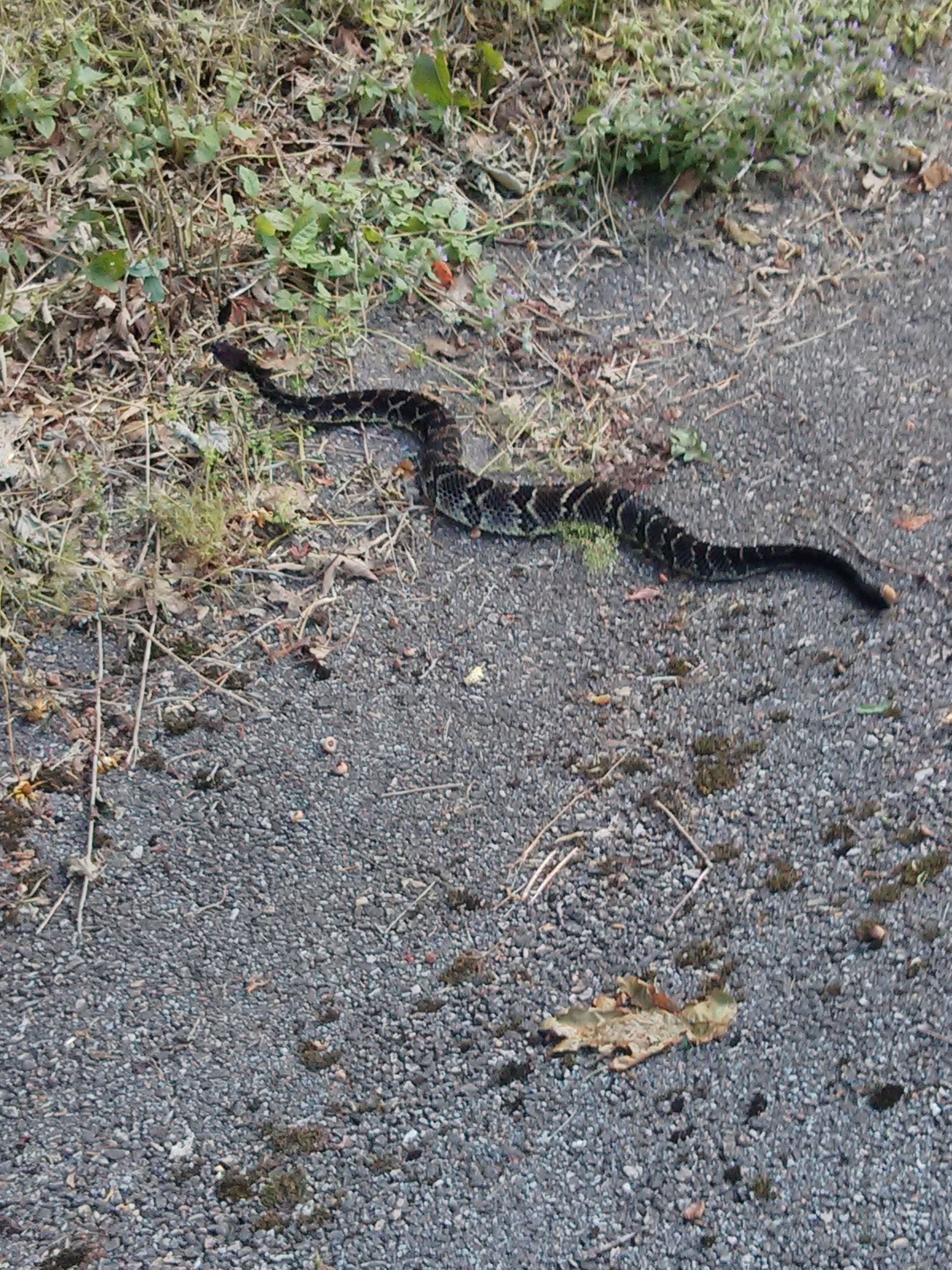
The other unpleasant encounter that you might come across is a snake. In this case, don’t worry about the blade (or the snake).

IMG_20130721_103408

Negotiating Obstacles With a Scythe

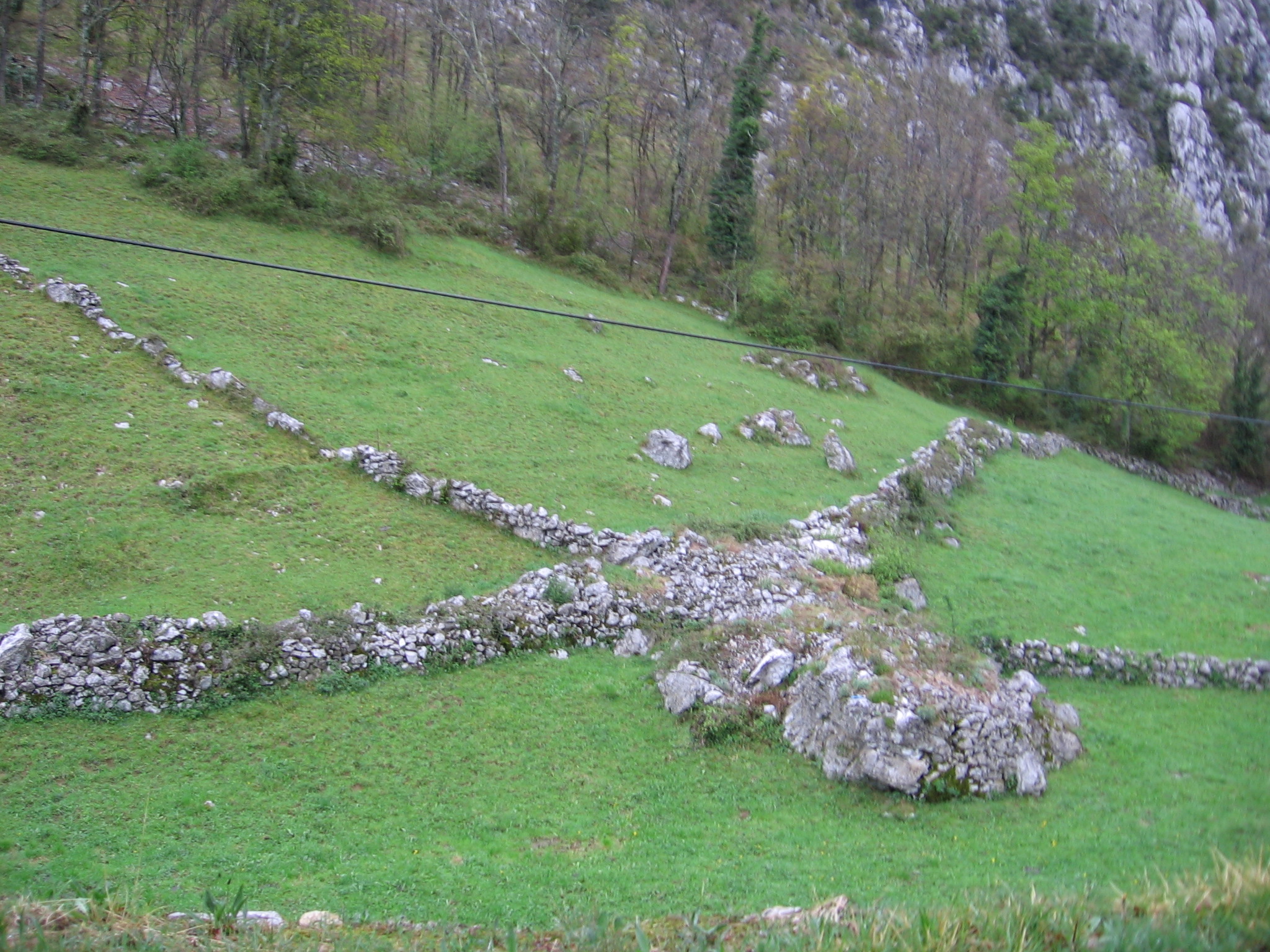
In my experience, as a mower who focuses and values more the quality of the mowed area than the amount of area mowed, the “graduation” of a scyther comes when he or she negotiates with ease a stony field or a rugged, steeply sloped area, leaving those stones—usually close together and irregularly shaped—perfectly naked and manicured.

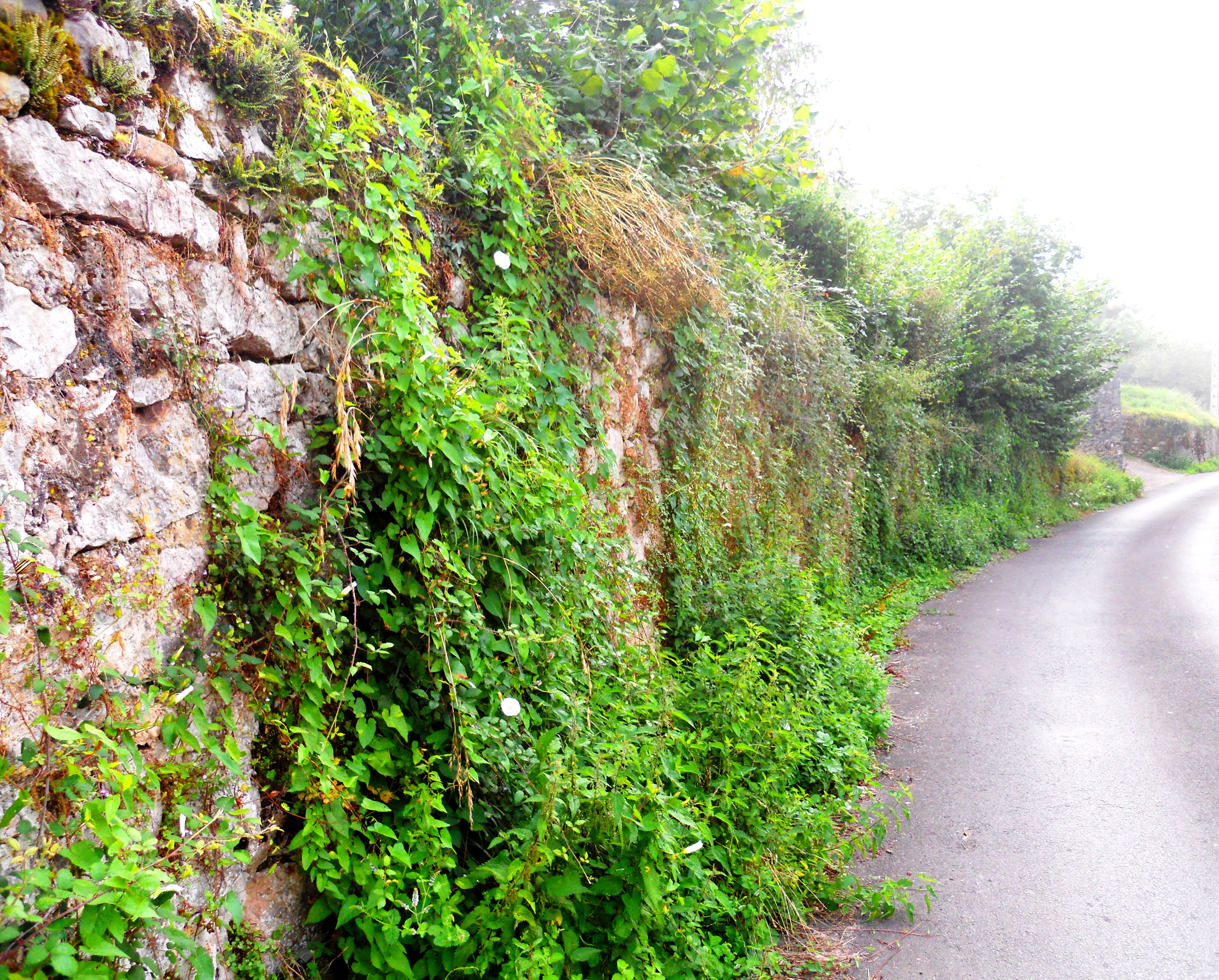
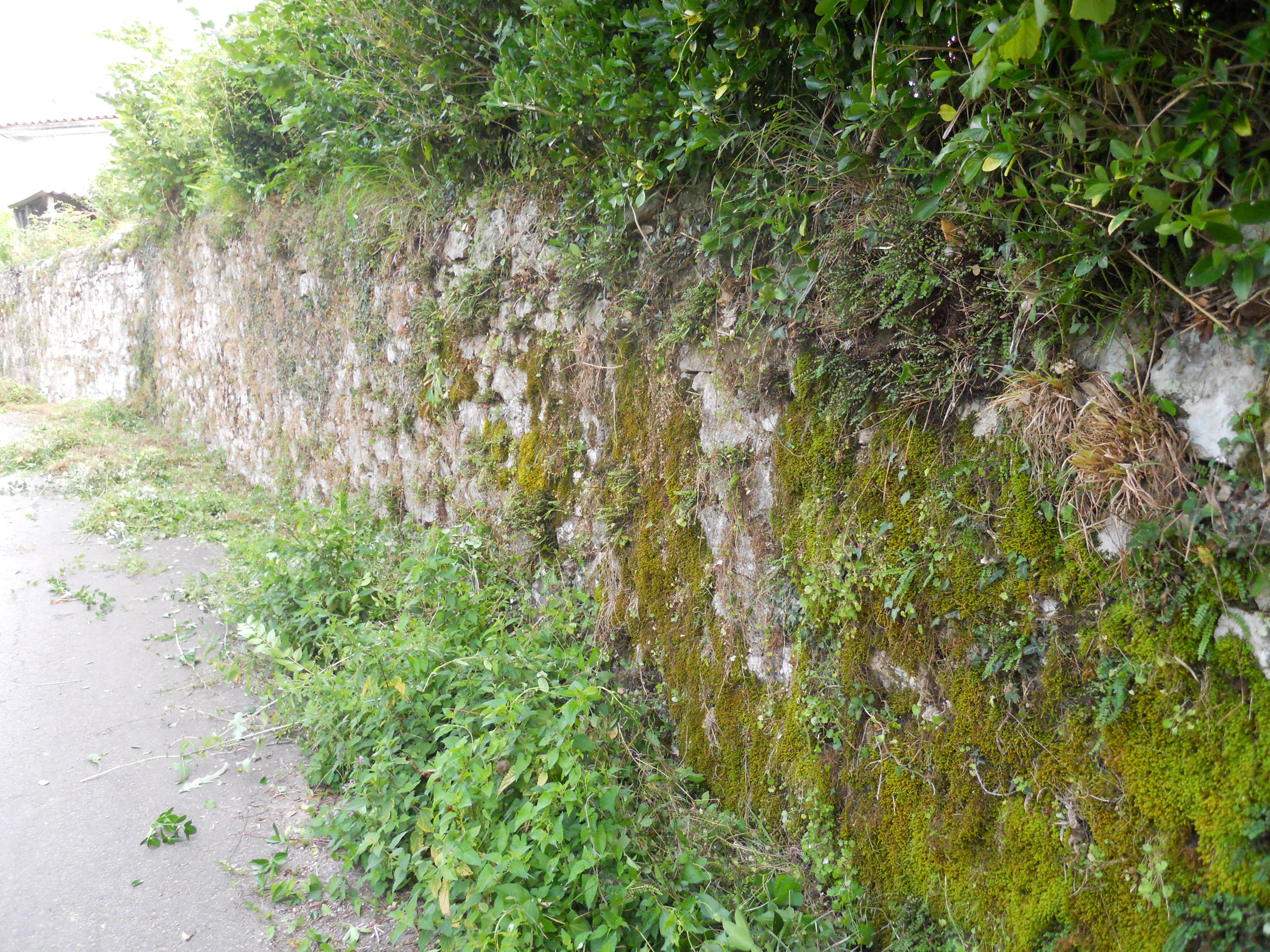
IMG_0016 IMG_0104 IMG_1611 IMG_0099The same holds true for mowing around, trees, fences, gates, even stone walls, which sometimes must be mowed vertically!
Before:

stone wall

After:

stone wall after

To mow grass on a flat, clean area is a wonderful luxury and joy, but to look back on a rocky area that has been mowed and cleaned is supreme satisfaction.

One curious thing about mowing those stony areas is that, somehow, the same way that a dart player can land three darts next to each other without hesitation or much thinking (muscle memory) is how the experienced mower remembers the way, order and direction that those stones were approached in the past. Literally, he or she knows their way around. (I have thrown a lot of darts… I guess I like pointy things.)

In this situation, it is better to have a very well-honed blade than a recently peened one. A blade that has been mowing for at least half an hour prior to introducing it to that rocky area becomes a little dull and will see less damage after that almost inevitable and unfortunate encounter with a stone.

Lesson to remember: Always approach obstacles from their front, facing/closer to you, never from their back.

Why We Mow Hay Early In The Morning

The early hours are by far the best to mow hay because the grass is wet, heavier and softer. Because of that, the grass provides less resistance to the blade and is easier to cut.

From the human point of view, the early morning is cooler, the scyther is rested and the cut grass has the rest of the day to dry.

Ideally, in order to not waste precious morning time, the scyther should prepare the blade the day before and have ready all the equipment needed for at least 6 hours of mowing. That includes honing stone, stone holder, peening kit (anvil and hammer), shims or a piece of leather to adjust the angle of the blade to the snath or to secure the blade if it becomes loose.

It is important to observe whether the grass is standing straight or lying down towards one direction. If the latter, we want to cut from the back of the stems—in other words, we are mowing in the same direction that the stems are bended. It is very difficult to mow the grass when the stems are pointing toward the mower.

Why the Scythe?

The scythe is more than an ancient hand tool. More than an iron blade. More than a curiosity or caricature. And its growing renaissance is long overdue.

The revival worldwide of the scythe is not an accident. It responds not to the demand of powerful landlords who harvest fields of hundreds or thousands of acres but to those who, with less land, want to do it right. The scythe cuts cleanly (no smoke comes out of it), quietly (no disturbing noise either) and efficiently (does its job). It adapts to basically all types of terrain and contributes greatly to your health since it is a great rhythmic and relaxing exercise.

With this site, I would like to take what I have learned over the decades, scything grass and hay in Spain and the United States, to a wider audience who might appreciate its nuances, its “green technology,” its connection to the earth—and in particular, to share in the Washington, D.C., area (including Maryland and Virginia) my passion for and knowledge of this ancient tool.

The scythe is more than a simple curved blade. It is a tool perfect for maintaining land, body and mind. When you mow, you exercise almost every muscle of your body. You establish a meditative rhythm, the arms and scythe as one, cutting swaths with a gentle whoosh, revealing newly manicured green. And with no gas exhaust produced, it is just you and the smell of cut grass. The process is pure joy.

alfonso scytheGas mowers bombard our senses, produce noise and air pollution, and damage vehicles when they launch stones and gravel like missiles. They are also hard on grass, by breaking rather than cleanly cutting each stem. Scythes, on the other hand, do not damage plants, vehicles, sidewalks, corners of structures or your senses of hearing and smell. It has access to narrow and uneven places that a mower does not. And there are almost zero maintenance costs since one blade properly maintained lasts many years. Indeed, around the world farmers and city managers are rediscovering the scythe for manicuring public and private spaces cost effectively and efficiently.

The scythe’s origins may have faded into history. But the tool is as relevant today as it was before gas-powered machines were built to mow.

Feel free to visit this site regularly for new information, instruction schedules and random musings as the mowing season begins.